
Thinking, fast and slow - Part 1
An illustrated take on the book by Daniel Kahneman.

Below excerpt is from Wikipedia. The illustrations are my own interpretation of the book with visual examples and are not intended to be an accurate representation of the concepts or information presented in the book.
Thinking, Fast and Slow is a book published in 2011 by Nobel Memorial Prize in Economics laureate Daniel Kahneman. It was the 2012 winner of the National Academies Communication Award for best creative work that helps the public understanding of topics in behavioural science, engineering and medicine.
The book summarises research that Kahneman conducted over decades, often in collaboration with Amos Tversky. It covers all three phases of his career: his early days working on cognitive biases, his work on prospect theory, and his later work on happiness.
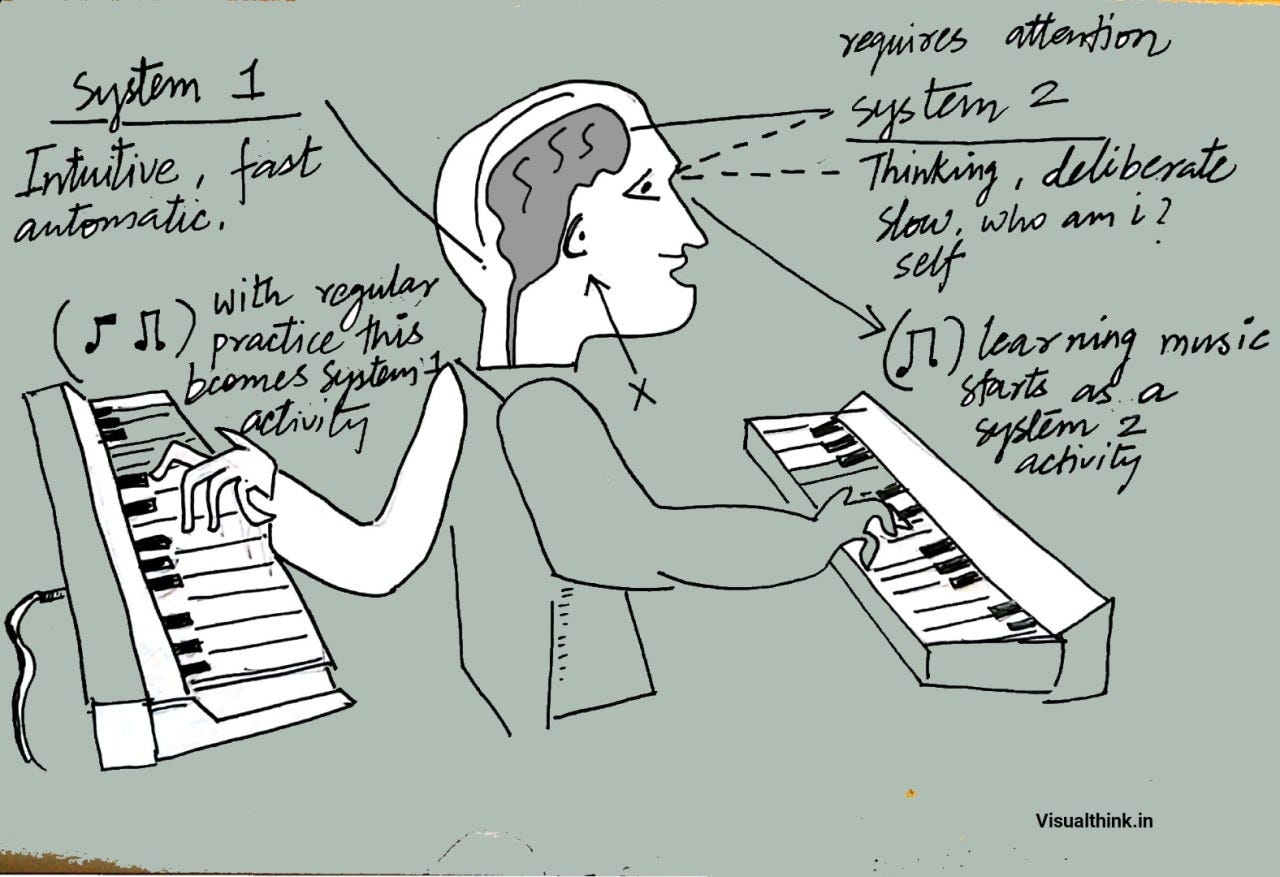
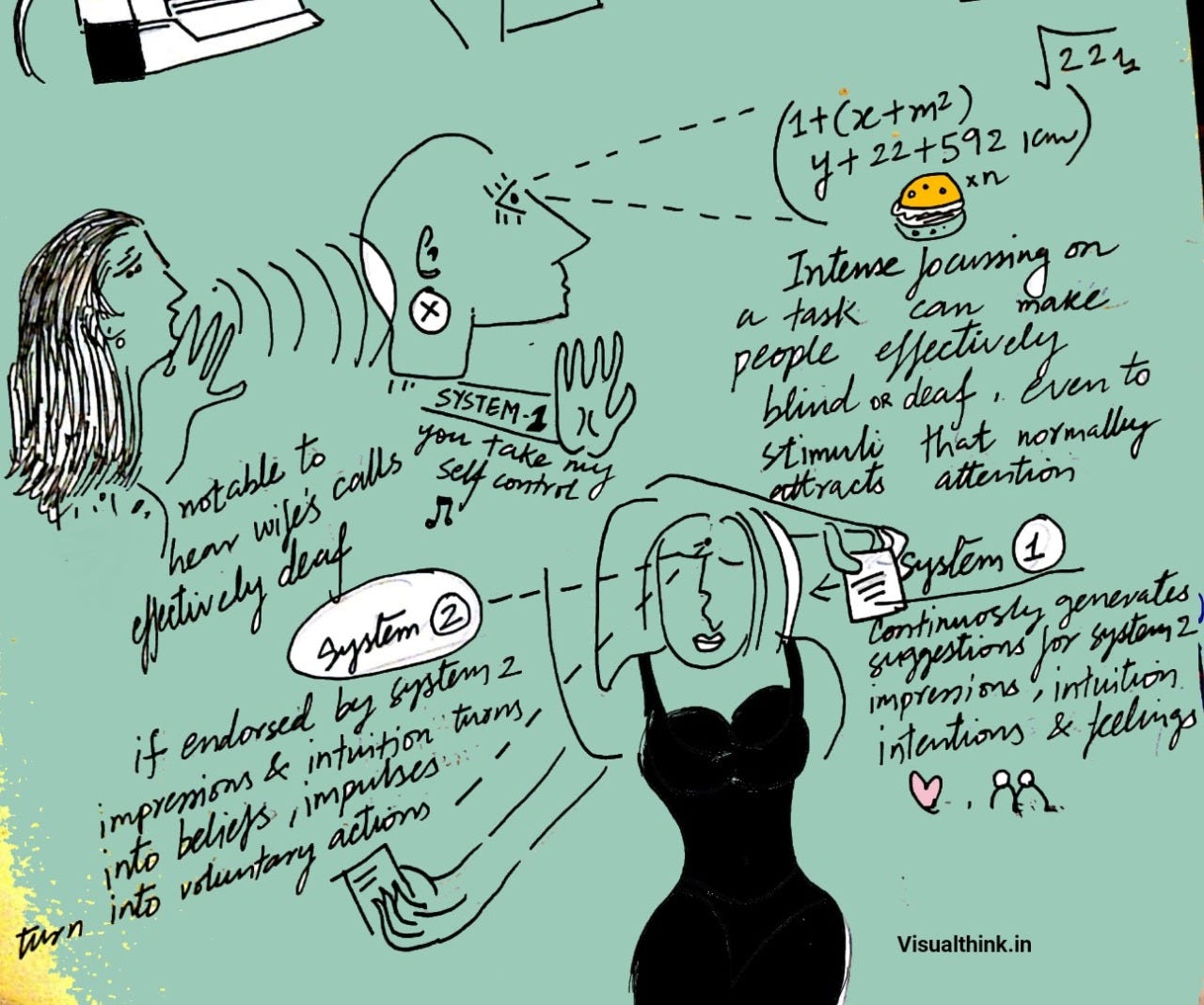
The central thesis is a dichotomy between two modes of thought: “System 1” is fast, instinctive and emotional; “System 2” is slower, more deliberative, and more logical. The book delineates cognitive biases associated with each type of thinking, starting with Kahneman’s own research on loss aversion. From framing choices to people’s tendency to replace a difficult question with one which is easy to answer, the book highlights several decades of academic research to suggest that people place too much confidence in human judgement.
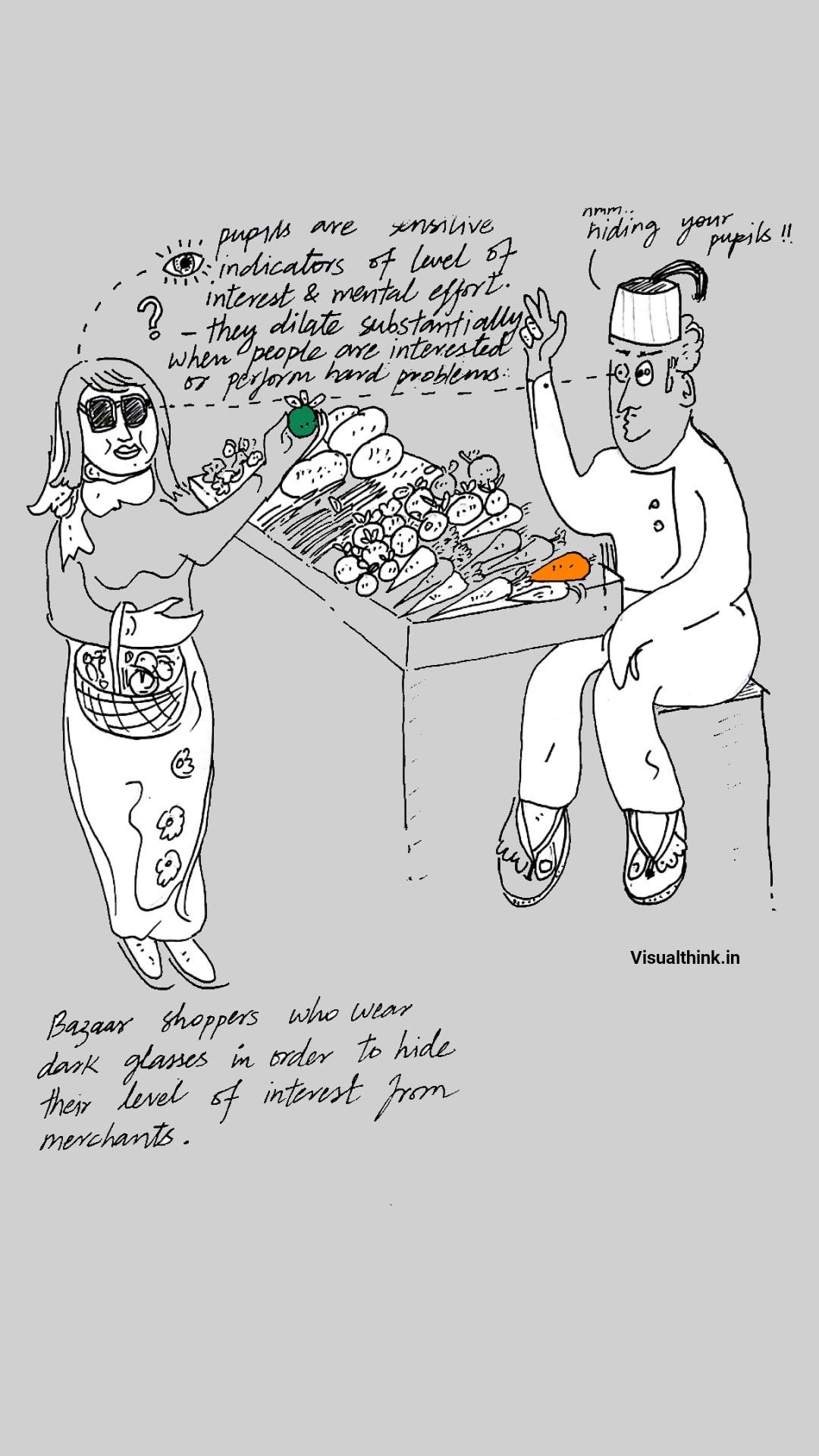
“Pupils are literally the windows to your soul”. On a latent thought the well known hack of “squinching eyes = confidence = attractive = leadership” is likely built on this proposition.
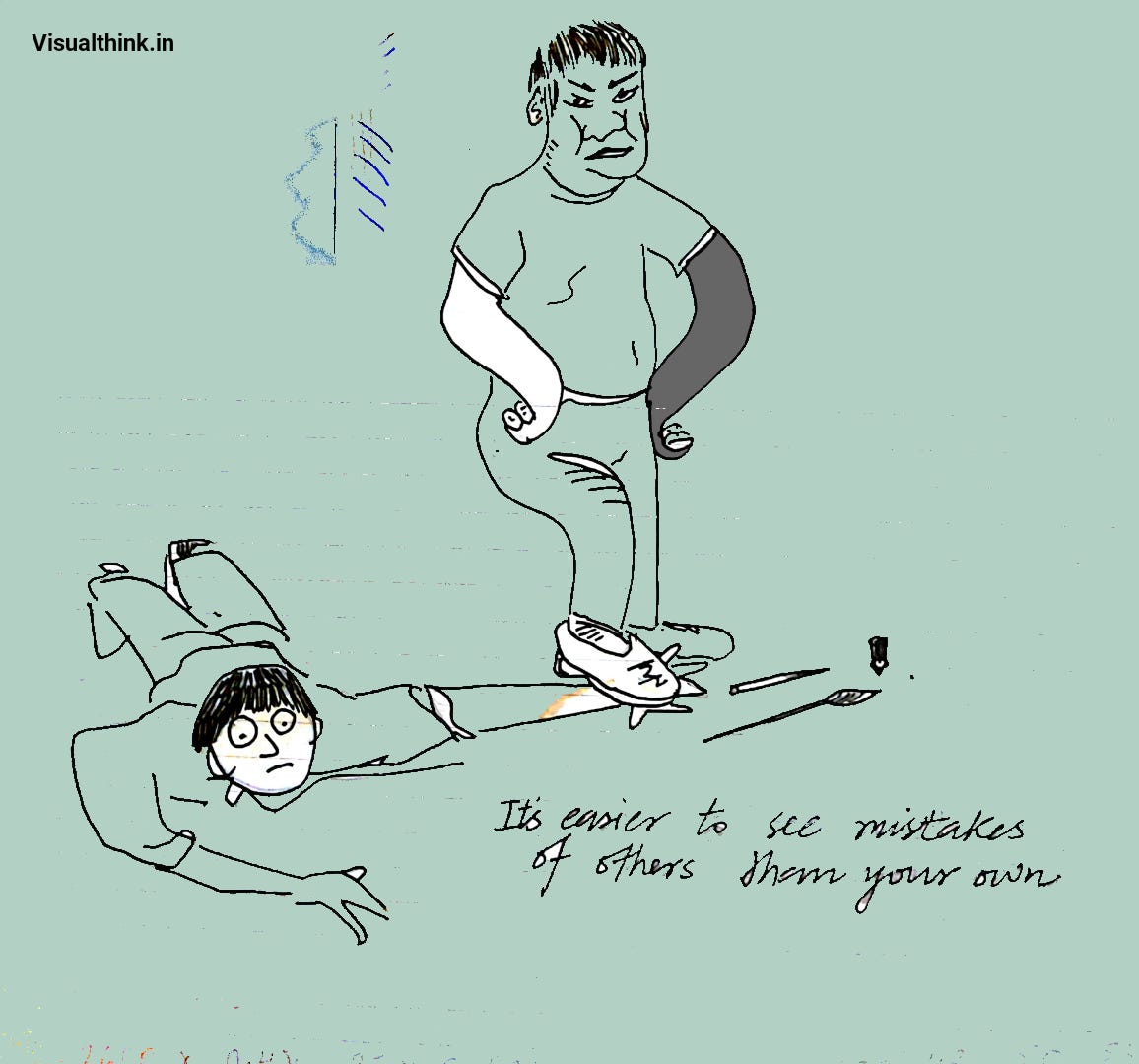
One method for self improvement when observing mistakes of others, is look for confirmation bias in oneself to see if you are b(i)asing your judgement on preconceived notions.
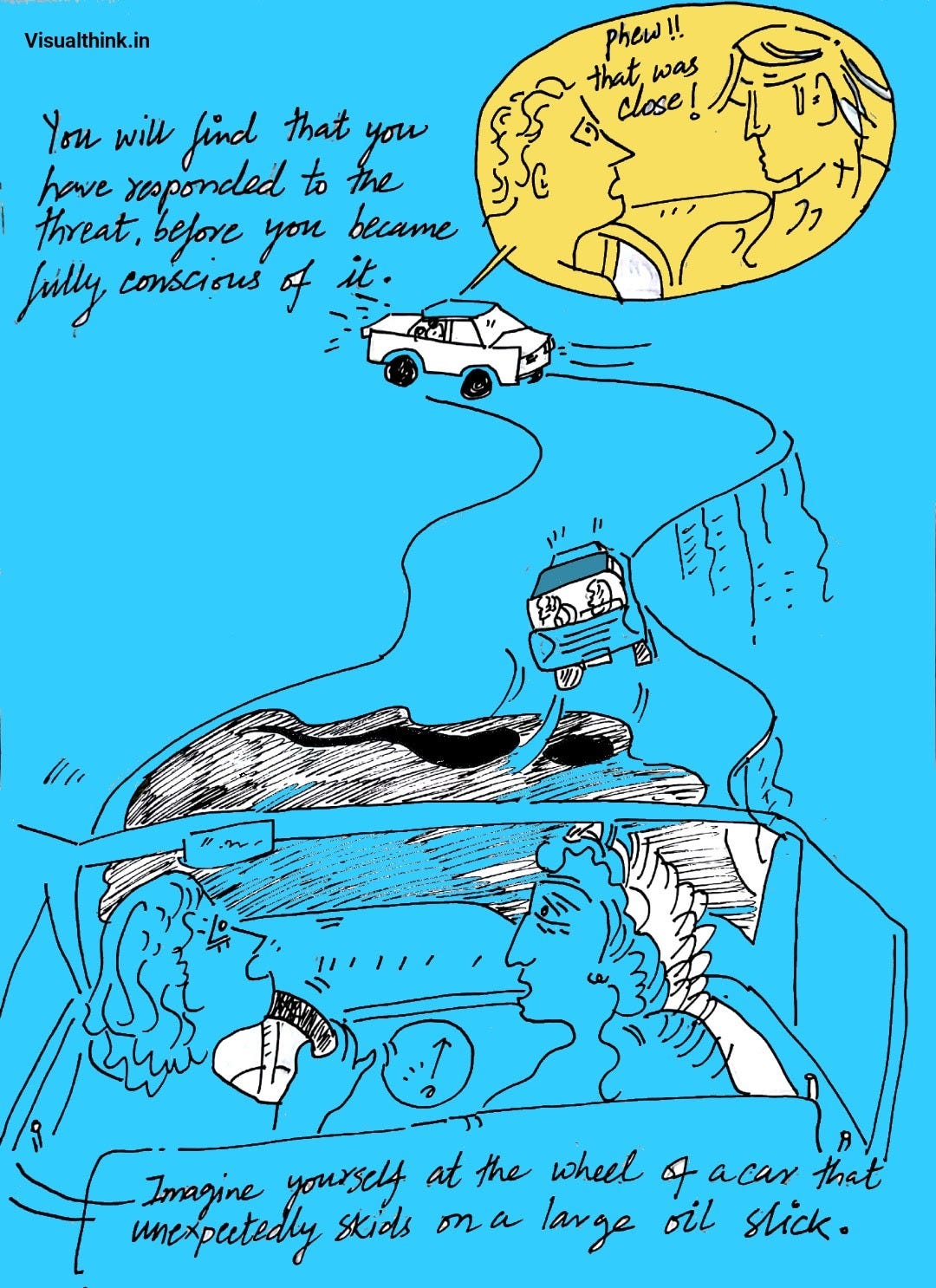
Who is actually driving? On how much are we in control of ourselves.
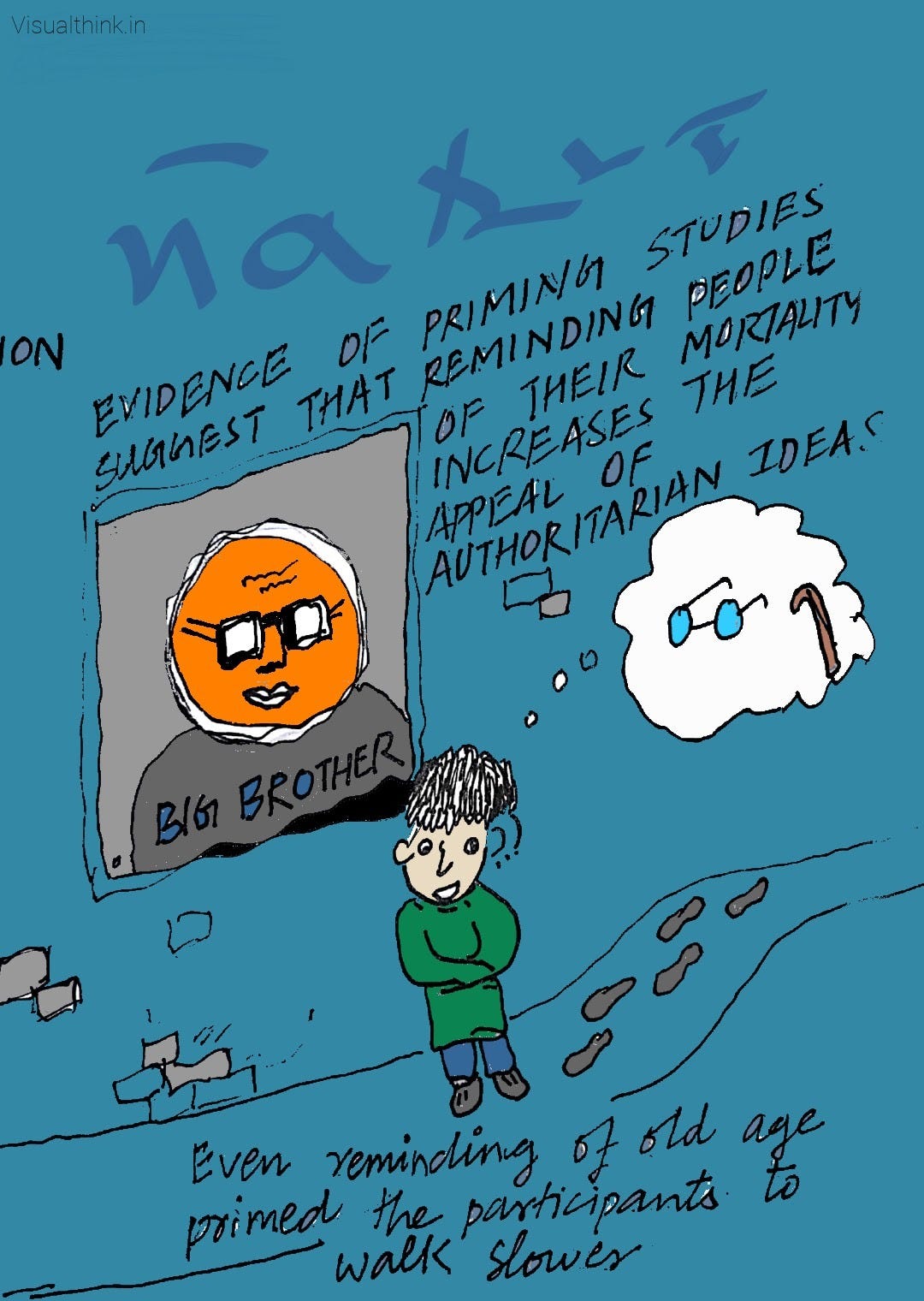
Politics of mortality.
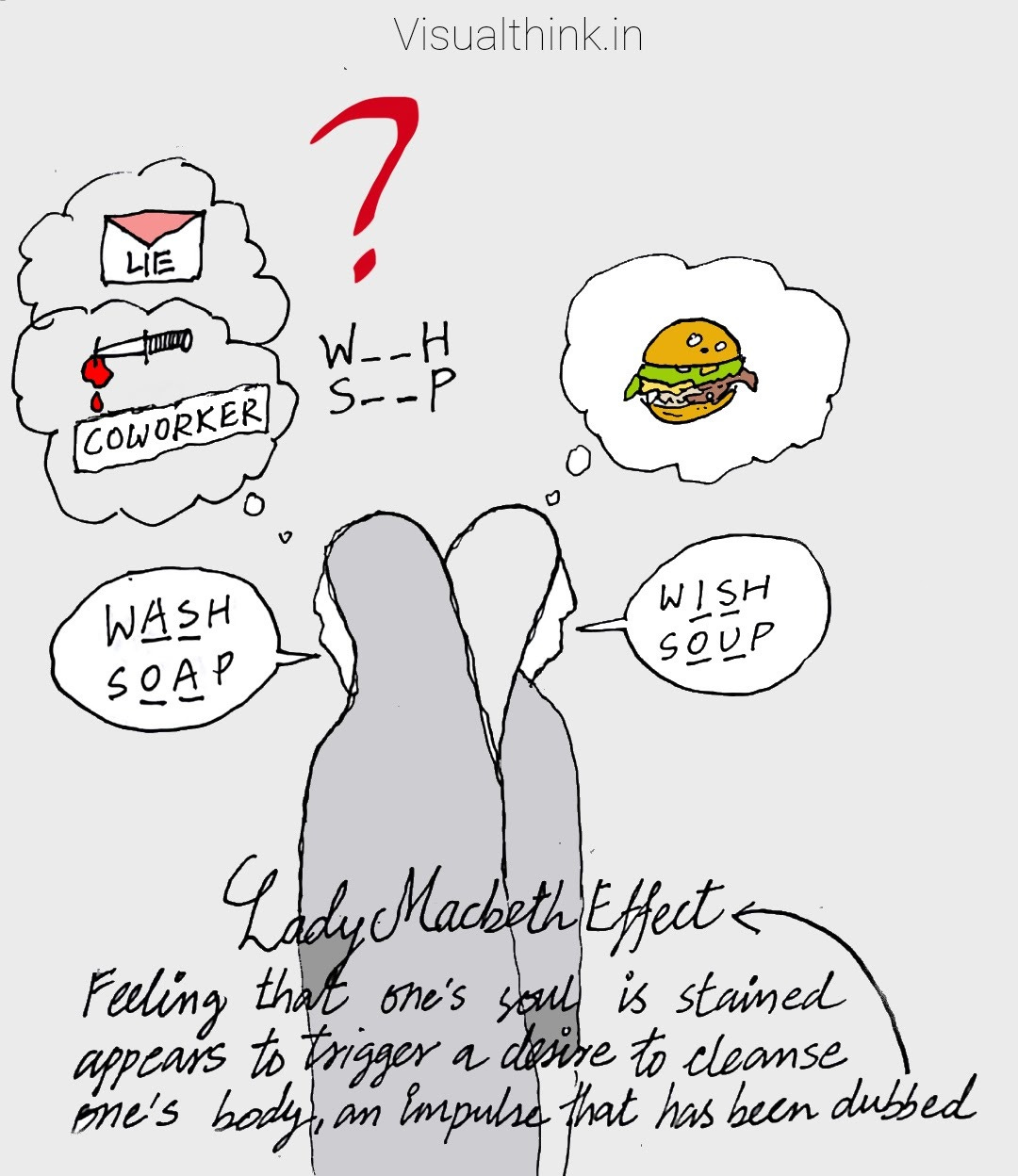
Check outside for what you feel inside. More on effects of priming ..
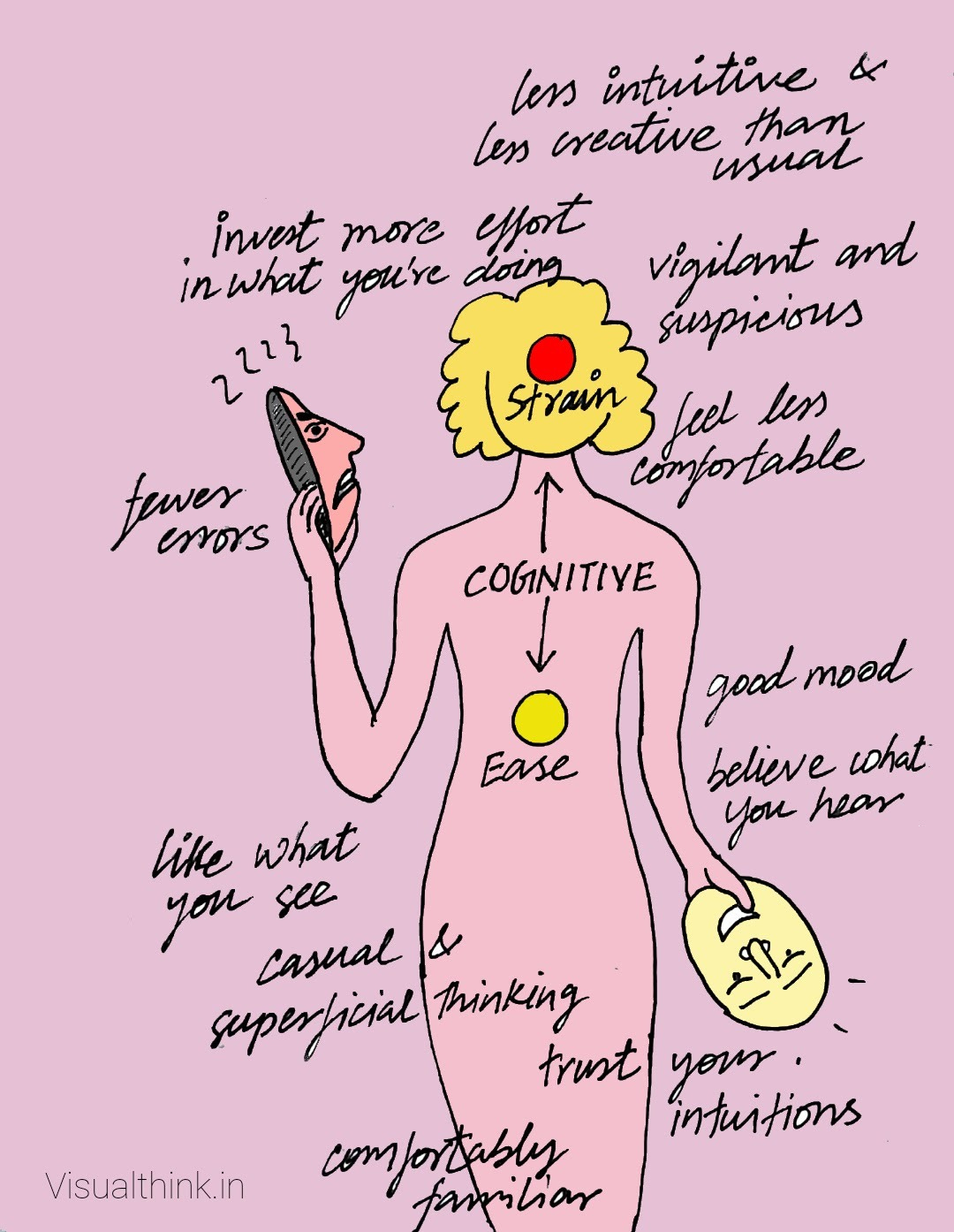
The hand knows what the mind does not. The practice of shifting the focus of the decision making centre, from mind to the body and vice versa, can help in extracting deep cognitive insights from oneself.
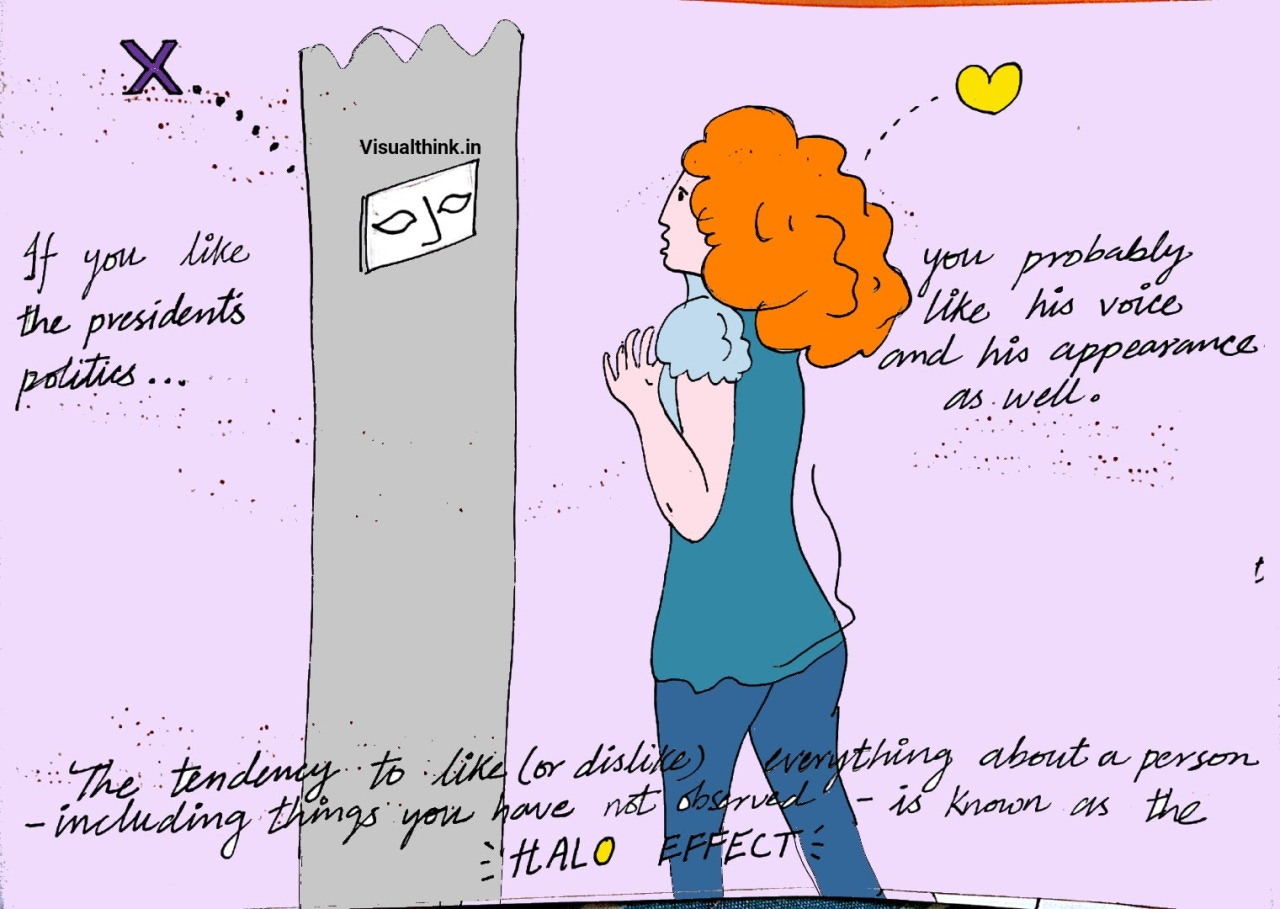
I like everything about you - The Halo Effect.
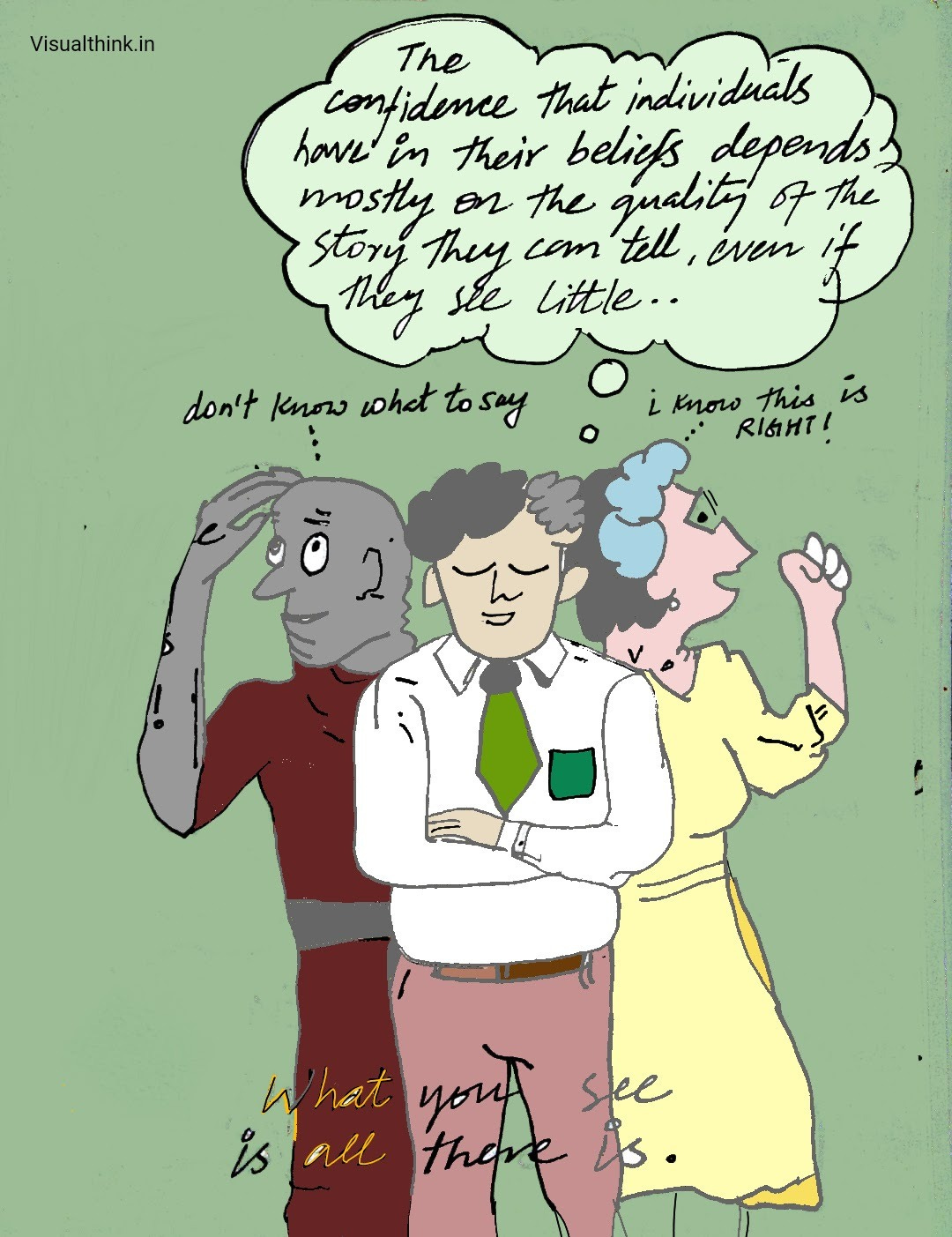
Believe it or not.
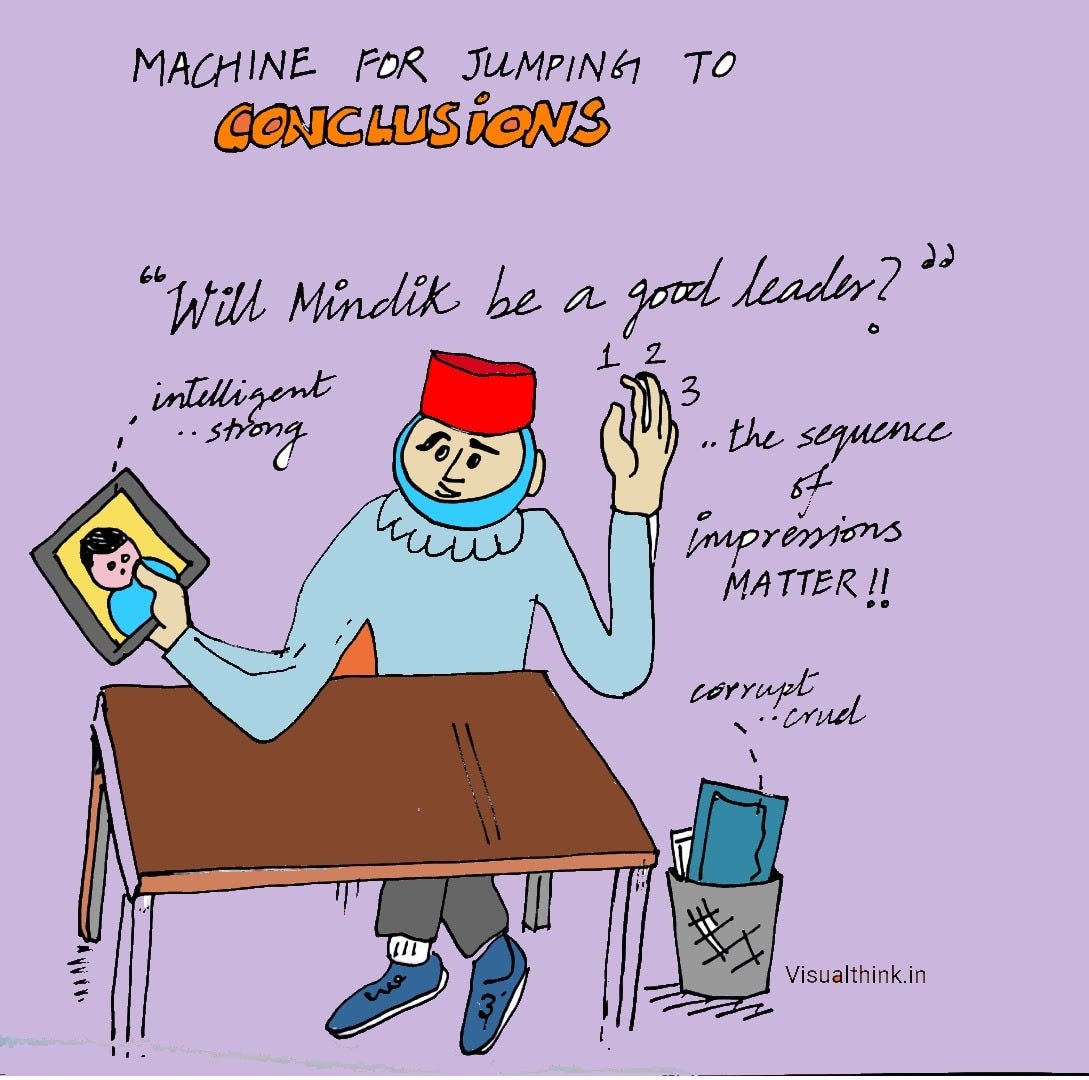
Sometimes the effect of the first impressions could not be shaken even after repeated discrepancies.
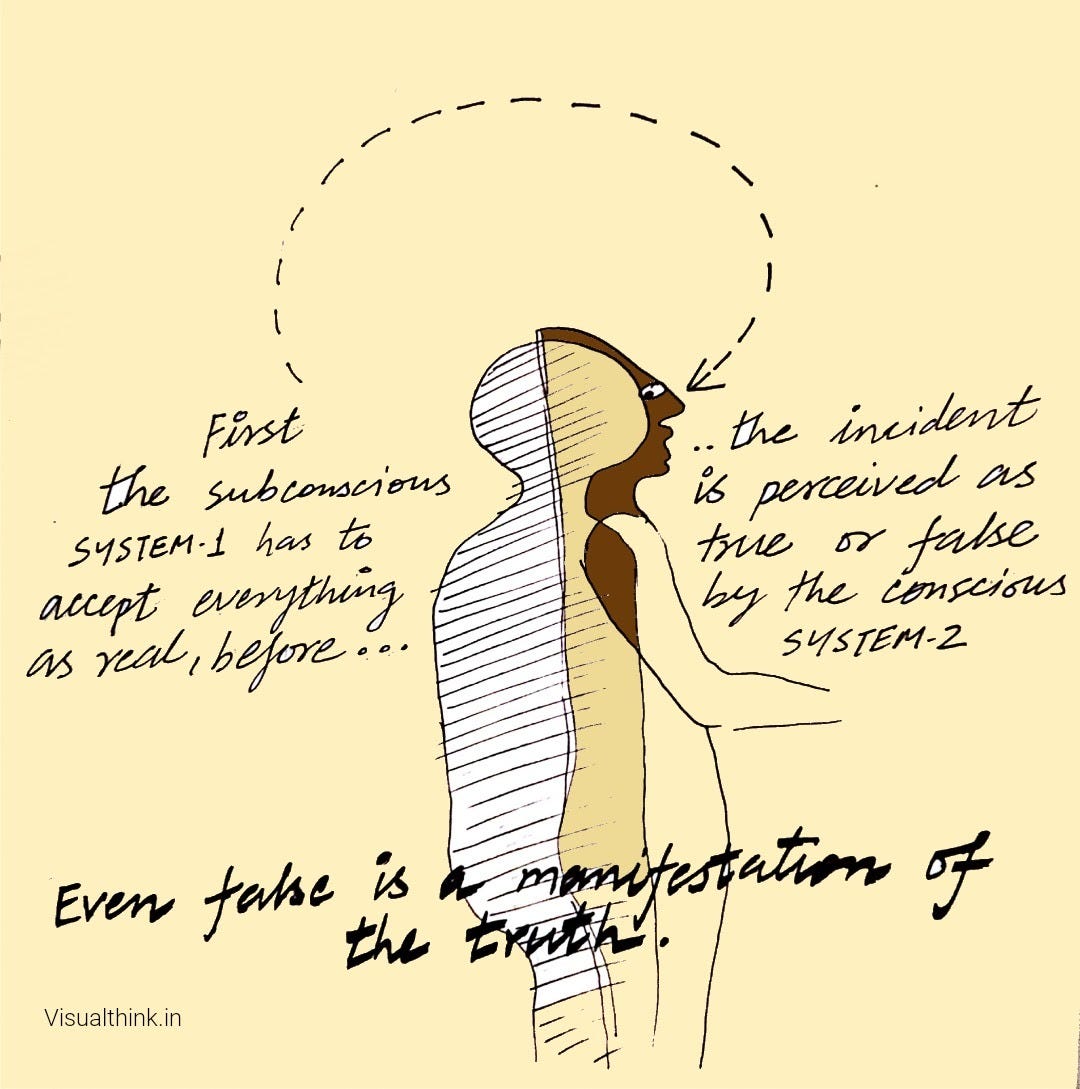
Everything emerges from an experience of reality.
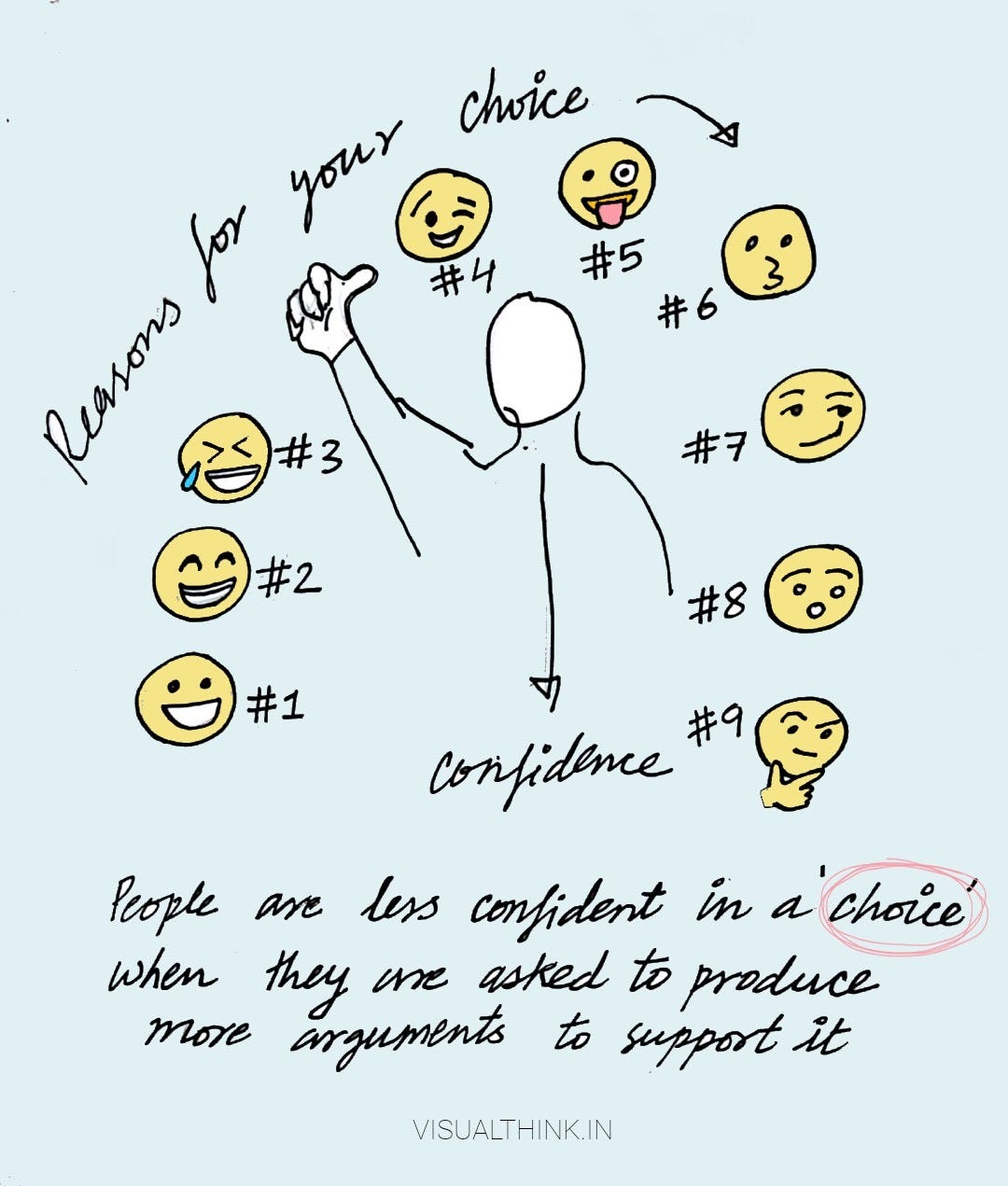
Think of 10 reasons why you are doing what you are doing.
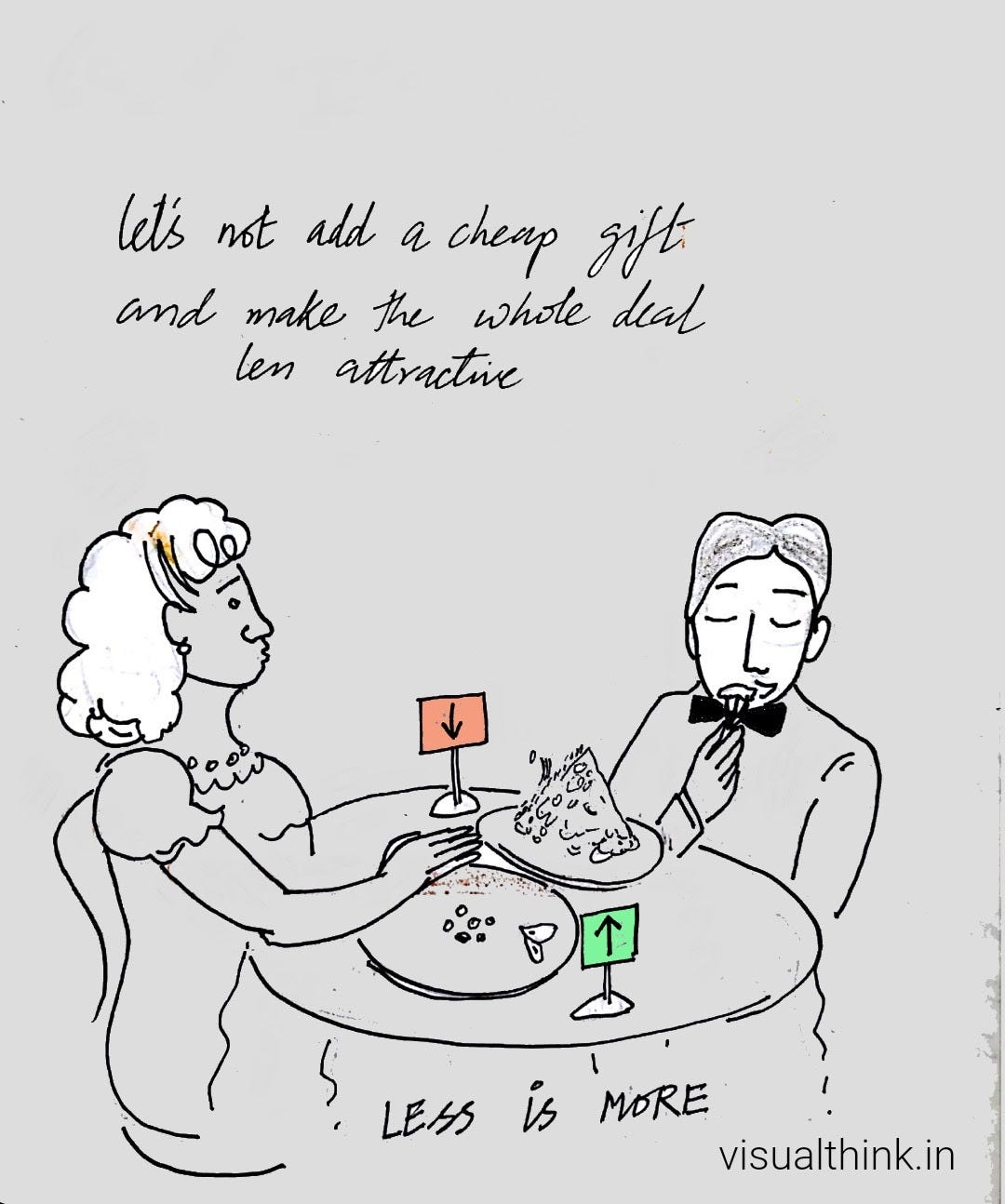
From measuring your words to designing product offerings and more, zen masters knew this all along - quality over quantity.
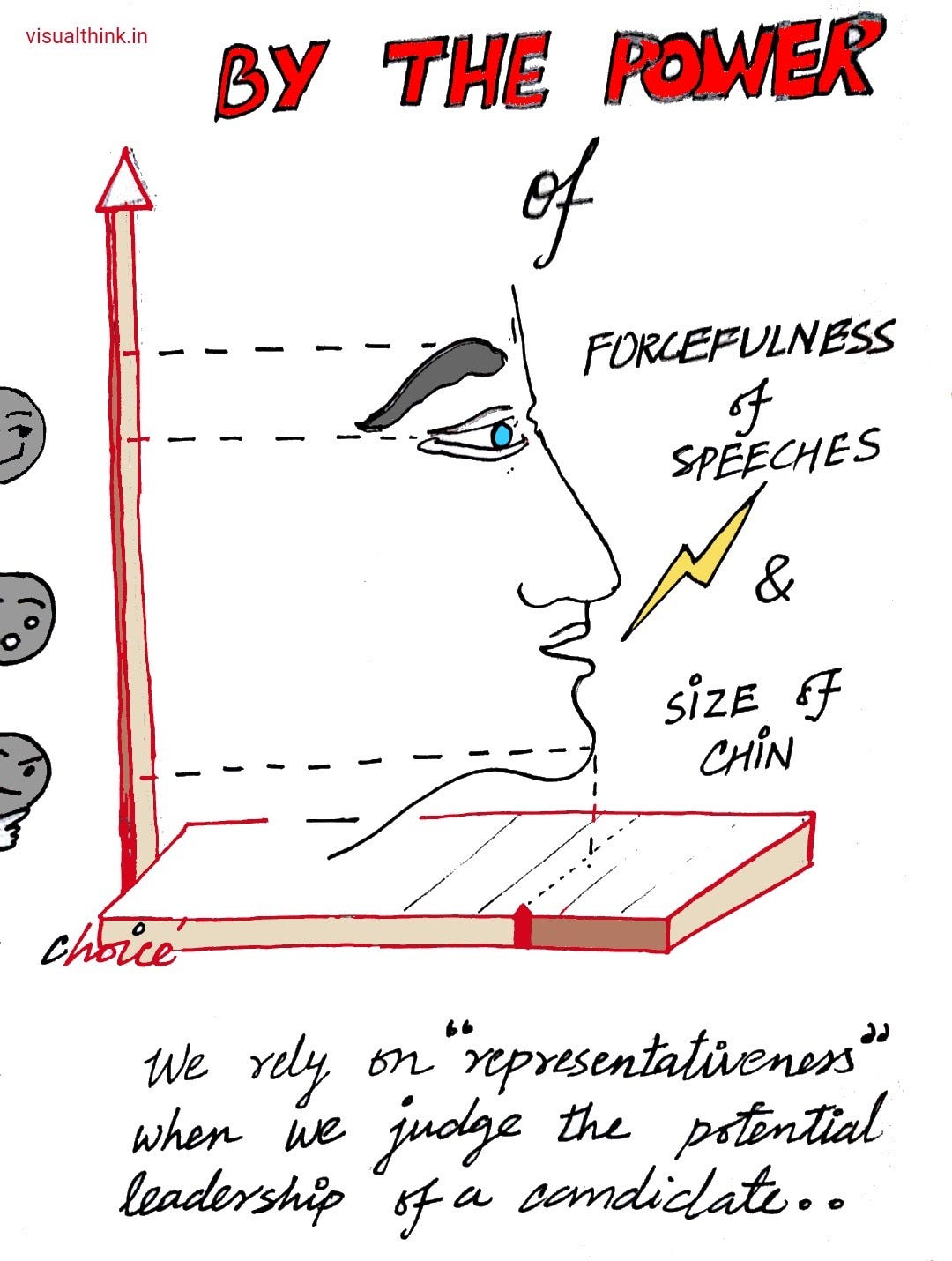
Physicality goads us in subtle ways.
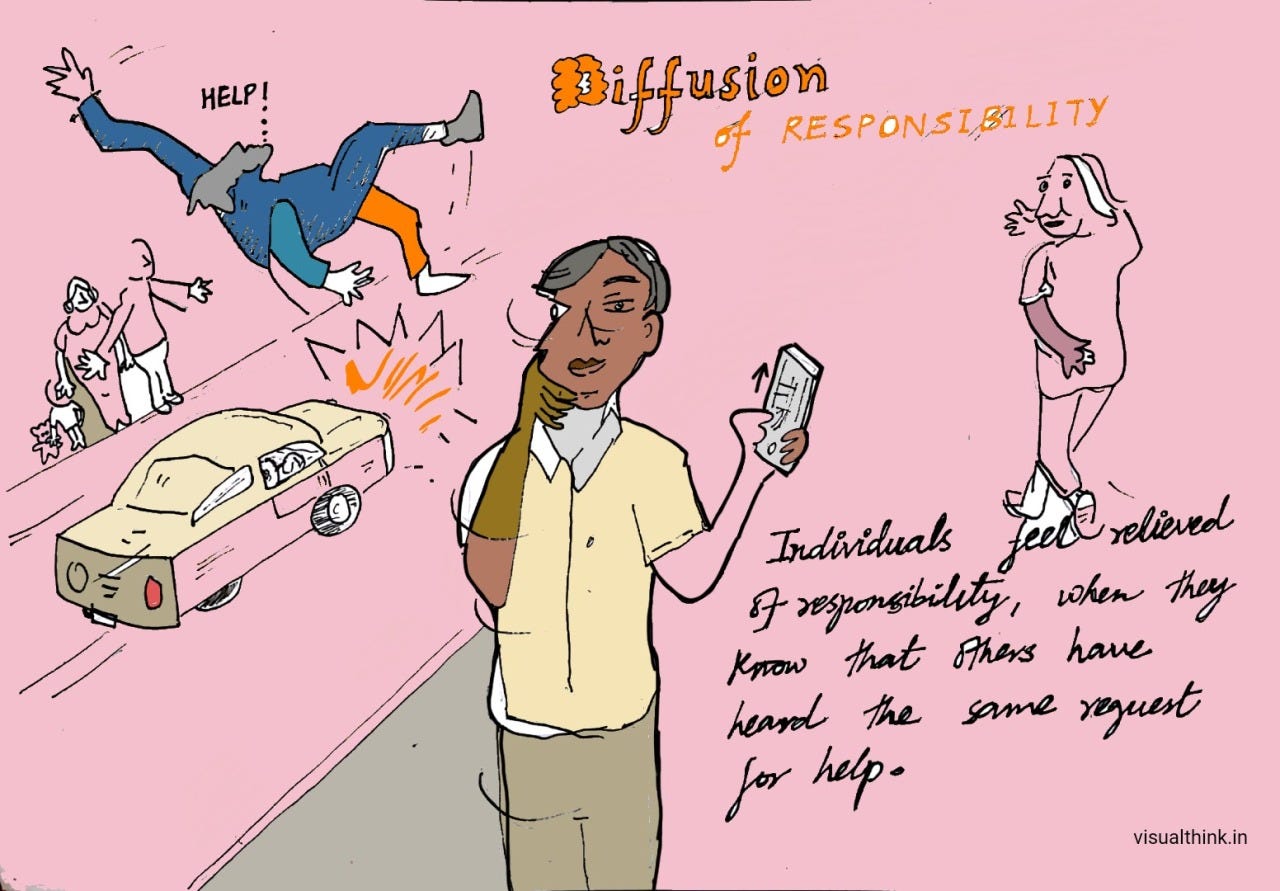
Social media exacerbates this situation, where many people know about different problems and will even like it/share it etc. but very few actually will take on the responsibility to do anything about it, unless it affects them directly.
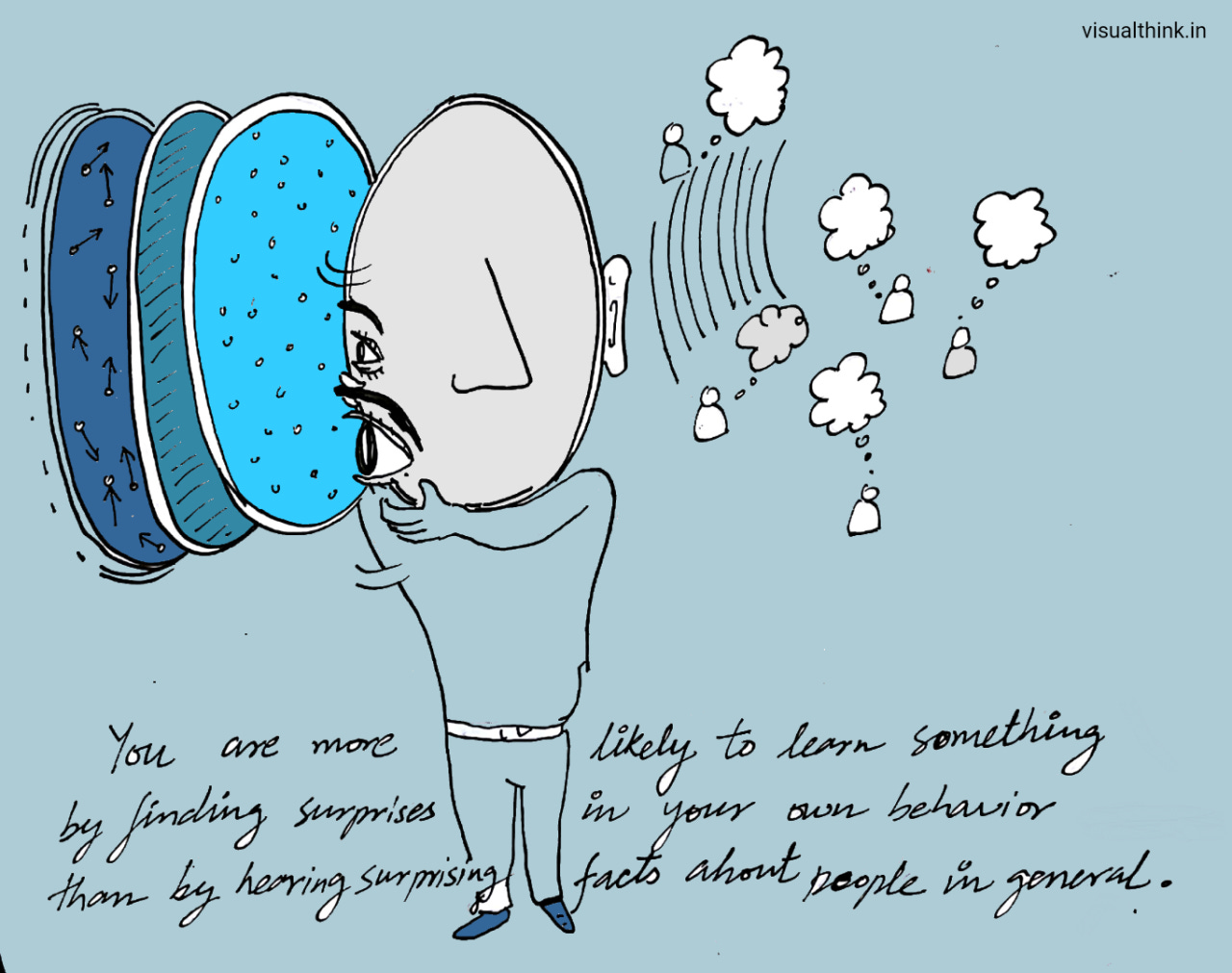
Observe yourself to learn. On why learning and cognition go hand in hand.
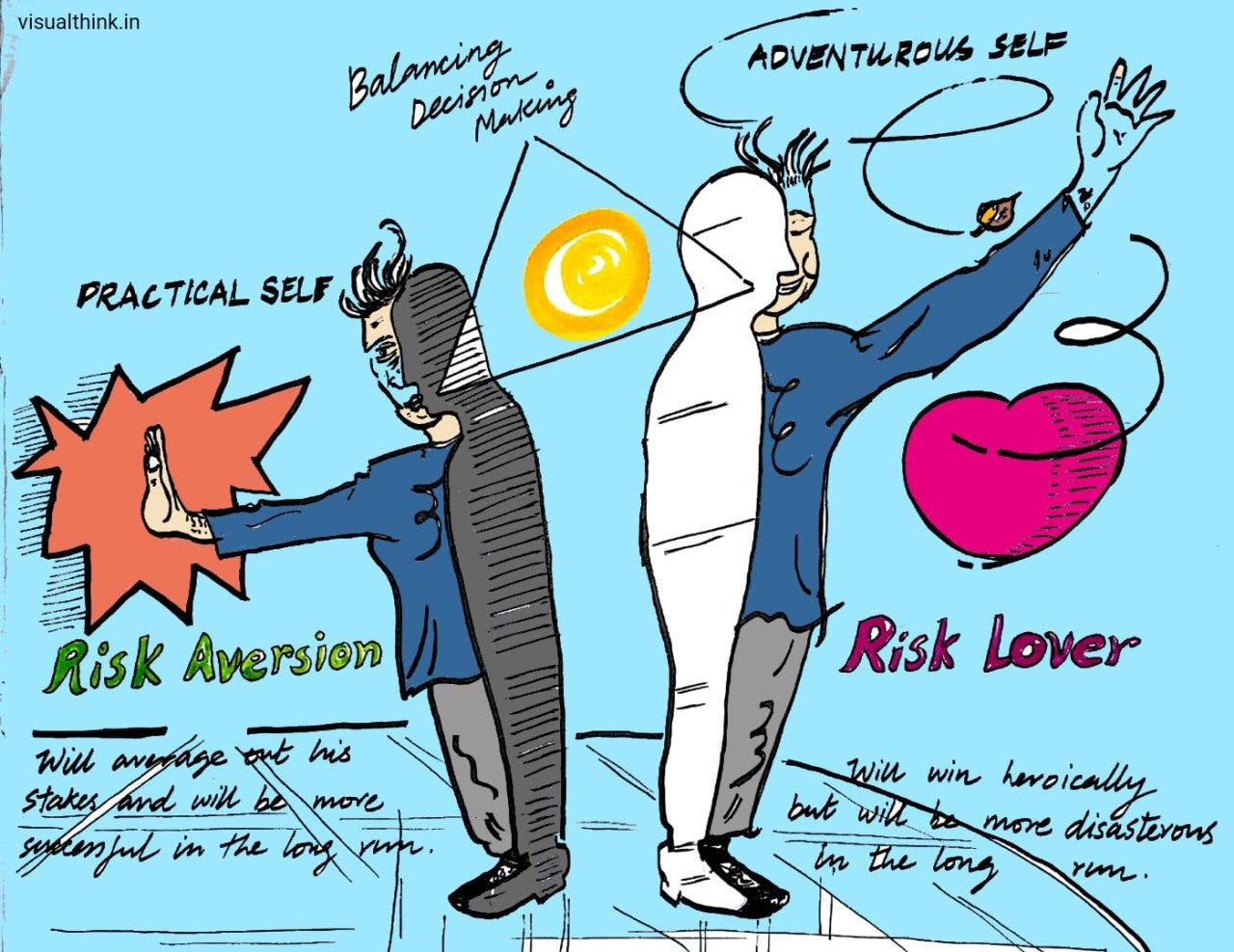
Knowing when to hold back, and when to go with the flow.
to be continued …